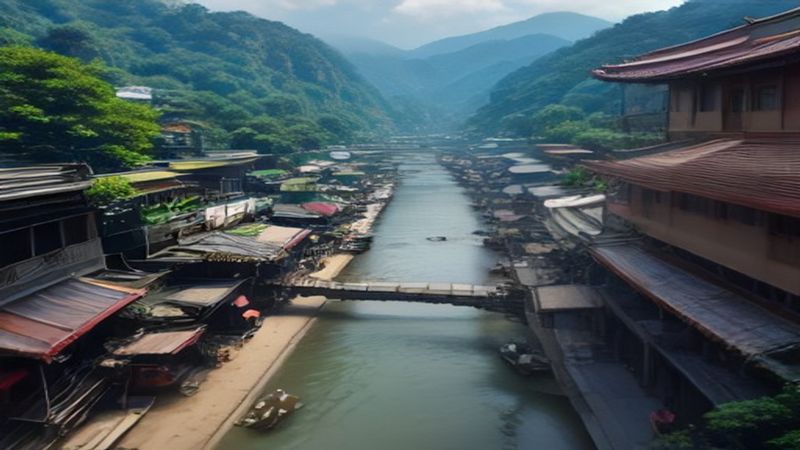
Da Nang Travel Tips for First-Time Travelers: Your Ultimate Guide to an Unforgettable Adventure
Welcome to Da Nang: Your Gateway to Central Vietnam’s Wonders
Are you dreaming of pristine beaches, majestic mountains, and a vibrant cultural experience? Look no further than Da Nang, Vietnam’s dynamic coastal city. For many, embarking on a new adventure can feel overwhelming, especially when visiting a foreign country for the first time. That’s why we’ve put together this comprehensive guide filled with essential Da Nang Travel Tips for First-Time Travelers. Whether you’re a solo explorer, a couple seeking romance, or a family on vacation, Da Nang offers a unique blend of modern charm and ancient traditions. Get ready to discover how to make your inaugural trip to this stunning destination absolutely unforgettable!
Da Nang, often hailed as one of the most livable cities in Vietnam, boasts a fantastic infrastructure, friendly locals, and a rich tapestry of attractions. From its golden sandy shores to its bustling markets and serene pagodas, there’s something here for every kind of traveler. This guide aims to simplify your planning process, ensuring you arrive prepared and excited to dive into all that Da Nang has to offer. We’ll cover everything from when to visit and how to get around, to must-see sights and delicious local cuisine. By the end of this article, you’ll feel confident and ready to embrace your Central Vietnamese adventure with open arms.
Why Da Nang Should Be Your Next Destination
Da Nang isn’t just another stop on a travel itinerary; it’s a destination that captivates with its natural beauty and strategic location. It serves as a perfect base for exploring the rich historical and cultural sites of Central Vietnam, including the ancient town of Hoi An and the imperial city of Hue. Its modern infrastructure, including a well-equipped international airport, makes it easily accessible. The city’s clean environment, beautiful beaches like My Khe, and innovative architectural marvels such as the Dragon Bridge, collectively paint a picture of a city constantly evolving yet deeply rooted in its heritage. It’s a city that promises both relaxation and adventure, catering to a diverse range of travel interests.
Planning Your Da Nang Adventure: Essential Preparations
A well-planned trip is a smooth trip. Before you even pack your bags, there are a few critical considerations for any first-time visitor to Da Nang.
When is the Best Time to Visit Da Nang?
Understanding Da Nang’s climate is key to planning your visit. The city experiences two distinct seasons:
- Dry Season (March to September): This is generally considered the best time to visit Da Nang. The weather is sunny, warm, and perfect for beach activities, swimming, and exploring outdoor attractions. Temperatures range from 28°C to 35°C. However, July and August can be quite hot, and peak tourist season means more crowds and higher prices.
- Rainy Season (October to February): Characterized by cooler temperatures and more frequent rainfall, sometimes heavy, especially from October to November. This season can also bring typhoons, so it’s wise to check weather forecasts. While less ideal for beach holidays, it can offer a quieter, more authentic experience with fewer tourists, and hotel prices might be lower.
For Da Nang Travel Tips for First-Time Travelers, we recommend aiming for April to June for the best balance of pleasant weather and manageable crowds.
Visa Requirements for Vietnam
Before booking anything, check Vietnam’s visa requirements based on your nationality. Many nationalities can enter Vietnam visa-free for a certain period (e.g., 15-45 days). Others will need to apply for an e-visa or obtain a visa on arrival (with a pre-approval letter). Always check the official Vietnamese immigration website or consult your embassy well in advance of your travel dates.
Getting to Da Nang
Da Nang International Airport (DAD) is a major hub, well-connected to many international and domestic cities. Numerous airlines offer direct flights from regional Asian cities like Seoul, Kuala Lumpur, Bangkok, Singapore, and Hong Kong, as well as domestic flights from Hanoi and Ho Chi Minh City. Upon arrival, you can easily take a taxi, Grab (ride-hailing app), or pre-arranged airport transfer to your accommodation.
Accommodation Options: Where to Stay in Da Nang
Da Nang offers a wide range of accommodation to suit every budget and style:
- Luxury Resorts: Along My Khe Beach and Non Nuoc Beach, you’ll find world-class resorts with stunning ocean views and extensive amenities.
- Mid-Range Hotels: Plenty of comfortable and stylish hotels are available throughout the city, often offering great value for money. Areas near the Han River or My Khe Beach are popular choices.
- Budget Hostels & Guesthouses: For backpackers and budget-conscious travelers, Da Nang has a thriving hostel scene, particularly in the city center, offering affordable and social options.
- Apartments & Villas: Ideal for families or longer stays, offering more space and self-catering facilities.
When considering Da Nang Travel Tips for First-Time Travelers, choosing accommodation near My Khe Beach offers easy access to the ocean and numerous restaurants, while staying closer to the Han River puts you in the heart of the city’s nightlife and dining scene.
Navigating Da Nang: Getting Around Like a Local
Exploring Da Nang is relatively easy thanks to its good infrastructure and various transportation options.
Grab (Ride-Hailing App)
For convenience and transparency, Grab is your best friend in Da Nang. Similar to Uber, you can book cars or motorbikes directly from your smartphone. It’s affordable, safe, and you’ll see the price upfront, avoiding any negotiation hassles. This is highly recommended for first-time visitors.
Taxis
Reputable taxi companies like Mai Linh (green cars) and Vinasun (white cars) are readily available. Ensure the meter is running, or agree on a price beforehand for longer journeys. Avoid unmarked taxis.
Motorbike Rental
For the adventurous, renting a motorbike offers flexibility to explore at your own pace. Prices typically range from 100,000-150,000 VND per day. However, traffic in Vietnam can be chaotic, so this is only recommended for experienced riders who are comfortable with Asian road conditions. Always wear a helmet and carry an international driving permit if you choose this option.
Bicycles
Many hotels and guesthouses offer free or inexpensive bicycle rentals. This is a great way to explore the beachfront or quieter parts of the city. Da Nang is also quite flat, making cycling enjoyable.
Must-Visit Attractions: The Heart of Da Nang
Da Nang is packed with incredible sights that cater to all interests. Here’s a curated list of places you absolutely shouldn’t miss.
My Khe Beach
Voted one of the most beautiful beaches in the world, My Khe Beach is a long stretch of white sand perfect for swimming, sunbathing, and water sports. It’s easily accessible from the city center and offers stunning sunrise views. Many beachfront restaurants and cafes line the promenade.
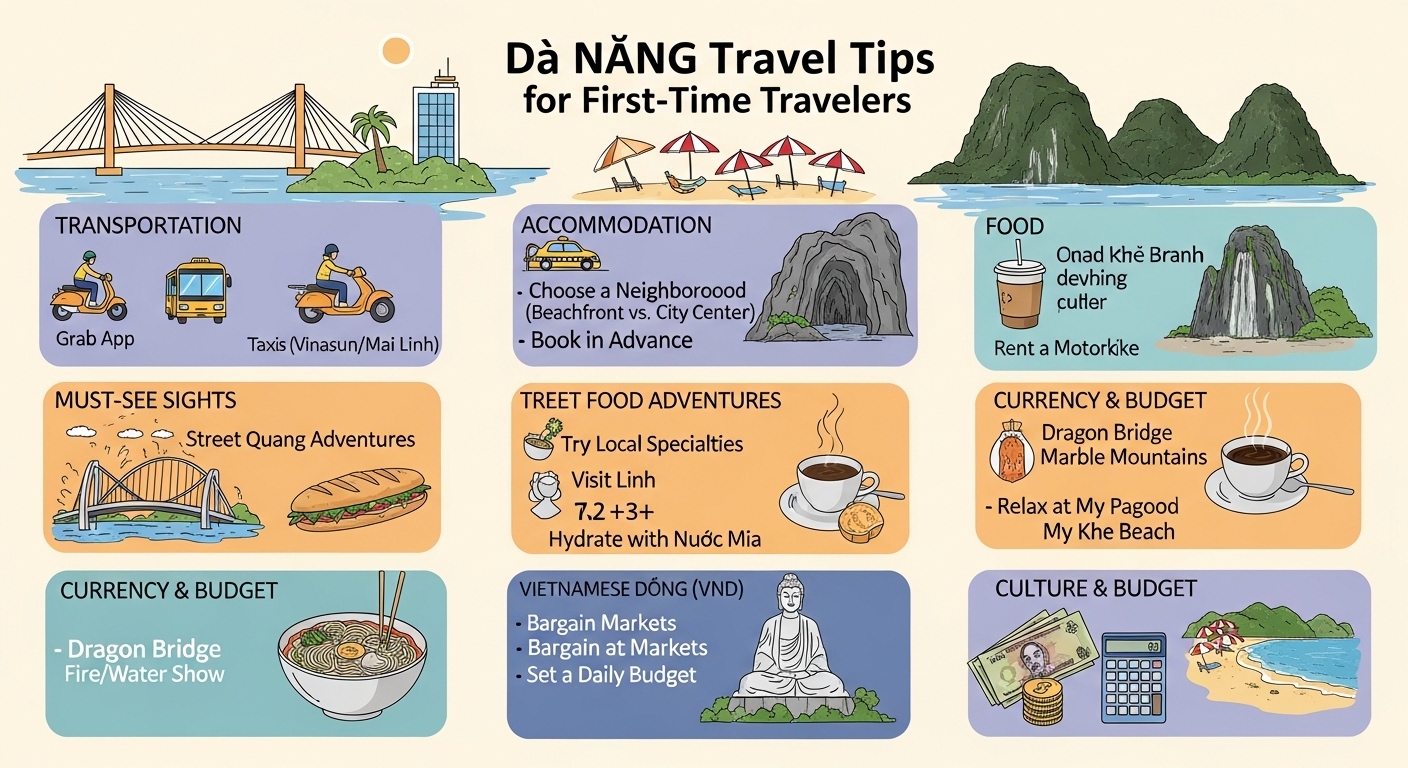
Marble Mountains (Ngu Hanh Son)
A cluster of five limestone and marble hills, each named after one of the five elements (Kim – metal, Moc – wood, Thuy – water, Hoa – fire, Tho – earth). You can hike or take an elevator up Thuy Son (Water Mountain), which houses several Buddhist grottoes, pagodas, and provides panoramic views of the surrounding area. It’s a fantastic blend of natural beauty and spiritual significance.
Son Tra Peninsula (Monkey Mountain)
This lush peninsula offers breathtaking coastal views, pristine beaches, and dense forests. Highlights include the Linh Ung Pagoda with its towering Lady Buddha statue, which offers incredible vistas of Da Nang. Keep an eye out for the rare red-shanked douc langurs, often seen foraging in the trees. Driving around the peninsula offers many scenic stops.
Dragon Bridge (Cau Rong)
An iconic symbol of Da Nang, this impressive bridge spans the Han River. If your visit includes a weekend, don’t miss the spectacular fire and water show at 9 PM on Saturday and Sunday evenings. The dragon breathes fire and spouts water, drawing large crowds and creating a lively atmosphere. It’s a truly unique architectural and cultural experience.
Ba Na Hills and the Golden Bridge (Cau Vang)
While technically outside Da Nang, Ba Na Hills is a full-day excursion that is practically a rite of passage for first-time visitors. Take the world’s longest non-stop single-track cable car to reach this mountaintop resort, featuring a French Village, Funicular railway, and Fantasy Park. The main draw, of course, is the breathtaking Golden Bridge, held aloft by two giant stone hands, offering incredible photo opportunities and panoramic views. Plan for an entire day to fully enjoy this experience.
Hoi An Ancient Town (Day Trip)
A UNESCO World Heritage site, Hoi An is a charming ancient town just a 45-minute drive from Da Nang. Known for its well-preserved traditional architecture, colorful lanterns, tailor shops, and delicious food, it’s a must-do day trip. Wander through its pedestrian-friendly streets, take a boat ride on the Thu Bon River, and soak in the historical ambiance. It’s strongly recommended to visit Hoi An in the late afternoon and evening to witness the magical lantern-lit streets.
Museum of Cham Sculpture
For those interested in history and culture, this museum houses the world’s largest collection of Cham sculpture, dating from the 7th to 15th centuries. It provides fascinating insights into the ancient Cham civilization that once flourished in Central Vietnam.
Culinary Delights: What to Eat in Da Nang
Vietnamese cuisine is world-renowned, and Da Nang offers a fantastic array of local specialties. Don’t leave without trying these:
- Mi Quang: Da Nang’s signature dish, a noodle soup with a small amount of rich, flavorful broth, often topped with pork, shrimp, quail eggs, and a variety of fresh herbs and crushed peanuts.
- Bun Cha Ca: A fish cake noodle soup, lighter than Mi Quang but equally delicious, featuring chewy fish cakes and a clear, savory broth.
- Banh Xeo: Crispy Vietnamese savory pancakes, filled with shrimp, pork, and bean sprouts, served with fresh greens and a dipping sauce.
- Fresh Seafood: Being a coastal city, Da Nang boasts an abundance of fresh seafood. Head to local seafood restaurants along the beach for grilled fish, squid, prawns, and crab.
- Vietnamese Coffee: Whether it’s cà phê sữa đá (iced coffee with condensed milk) or a strong black coffee, Vietnamese coffee is a delightful experience.
- Street Food: Explore local markets and street vendors for a true taste of Da Nang. From spring rolls to various skewers, the street food scene is vibrant and delicious.
One of the best Da Nang Travel Tips for First-Time Travelers regarding food is to be adventurous and try local eateries beyond the tourist strips. Look for places bustling with locals – that’s usually a sign of good, authentic food.
Practical Da Nang Travel Tips for First-Time Travelers
Here are some essential tips to ensure your trip is smooth, safe, and enjoyable.
Currency and Budgeting
The local currency is the Vietnamese Dong (VND). ATMs are widely available throughout the city. While major hotels and some restaurants accept credit cards, cash is king, especially at local markets, street food stalls, and smaller shops. A reasonable daily budget for a first-time traveler could be anywhere from $30-$50 USD (for budget travelers) to $100+ USD (for mid-range comfort, excluding accommodation). It’s always a good idea to have small denominations of VND for easy transactions.
SIM Card and Connectivity
Upon arrival at Da Nang Airport, you can easily purchase a local SIM card (e.g., Viettel, Mobifone, Vinaphone) with generous data plans for a very reasonable price. This will allow you to use navigation apps (like Google Maps), ride-hailing services (Grab), and stay connected with family and friends. Wi-Fi is also widely available in hotels, cafes, and restaurants.
Safety Tips
- Traffic: Vietnamese traffic can be intimidating. Always be cautious when crossing streets. Walk confidently and predictably.
- Valuables: Keep an eye on your belongings, especially in crowded areas. It’s wise to use a crossbody bag and avoid flaunting expensive items.
- Scams: Be aware of common tourist scams, such as inflated taxi fares or aggressive street vendors. Use Grab for taxis, and politely decline unwanted services.
- Water: Drink only bottled water. Tap water is not safe for consumption.
Local Etiquette
- Dress Modestly: When visiting temples or pagodas, dress respectfully, covering your shoulders and knees.
- Bargaining: At markets, bargaining is expected, but do so politely and with a smile.
- Shoes Off: Remove your shoes before entering someone’s home or some religious sites.
- Respect Elders: Show respect to elders, a deeply ingrained cultural value.
What to Pack
Given Da Nang’s tropical climate, pack light, breathable clothing. Essentials include:
- Light clothing (cotton, linen)
- Swimwear
- Sunscreen, hat, sunglasses
- Insect repellent
- Comfortable walking shoes and sandals
- Rain jacket or umbrella (especially during the rainy season)
- Basic first-aid kit
Health & Travel Insurance
Consider travel insurance for peace of mind. While medical facilities in Da Nang are adequate for minor issues, for serious conditions, you might need to be transferred to larger hospitals or even repatriated. Consult your doctor about necessary vaccinations before traveling.
Language Barrier
While English is spoken in tourist areas, learning a few basic Vietnamese phrases (hello: xin chào, thank you: cảm ơn, excuse me: xin lỗi, how much: bao nhiêu) can greatly enhance your experience and endear you to the locals. Most Vietnamese people appreciate the effort!
Beyond Da Nang: Easy Day Trips
While Da Nang offers plenty to keep you busy, its central location makes it an ideal base for exploring other nearby gems. We’ve already highlighted Hoi An, but here are a couple more considerations:
- Hue Imperial City: Approximately 2-3 hours by car or train, Hue was once the imperial capital of Vietnam. Explore the Citadel, pagodas, and royal tombs for a deep dive into Vietnam’s rich history.
- My Son Sanctuary: Another UNESCO World Heritage site, My Son is a cluster of abandoned and partially ruined Hindu temples constructed between the 4th and 14th centuries by the Champa Kingdom. It’s a fascinating glimpse into an ancient civilization, often combined with a Hoi An trip.
Conclusion: Your Unforgettable Da Nang Journey Awaits!
Da Nang is a city that truly has it all – stunning natural landscapes, rich cultural heritage, delicious cuisine, and warm, welcoming people. By following these comprehensive Da Nang Travel Tips for First-Time Travelers, you’re well on your way to planning an incredible and seamless adventure. From basking on My Khe Beach to marveling at the Golden Bridge and exploring the ancient streets of Hoi An, every moment in Da Nang promises to be a discovery.
So, what are you waiting for? Start planning your dream trip to Da Nang today! Embrace the vibrant energy, savor the unique flavors, and create memories that will last a lifetime. Your Vietnamese adventure begins now!