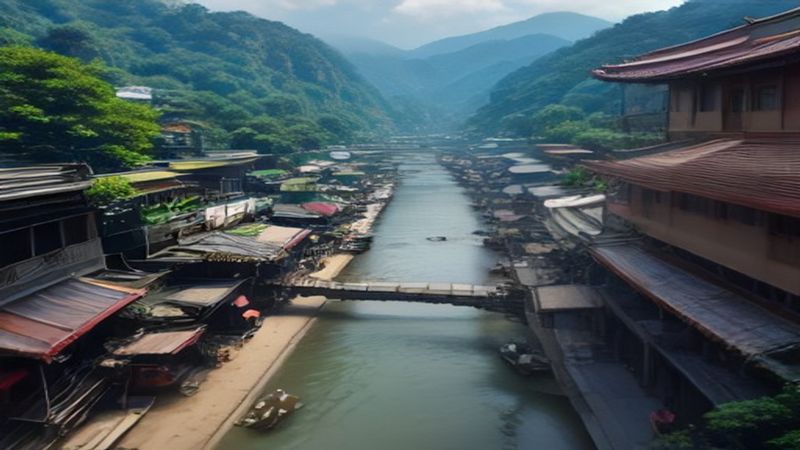
Is Da Nang Worth Visiting? Your Ultimate Guide to Vietnam’s Coastal Gem
When planning a trip to Vietnam, the question often arises: Is Da Nang worth visiting? This vibrant coastal city in Central Vietnam has rapidly transformed from a quiet port to a bustling tourist hub, renowned for its stunning beaches, majestic mountains, delicious cuisine, and rich cultural heritage. Many travelers find themselves weighing their options between more famous destinations like Hanoi and Ho Chi Minh City. However, Da Nang offers a unique blend of natural beauty, modern infrastructure, and authentic Vietnamese charm that makes it an absolutely compelling destination. Let’s dive deep into why Da Nang isn’t just worth visiting, but perhaps an essential stop on your Vietnamese adventure.
The Allure of Da Nang: More Than Just a Beach City
Da Nang is often lauded for its pristine coastline, but to merely categorize it as a beach city would be a disservice. While its beaches are undeniably spectacular, the city offers a diverse range of experiences that cater to every type of traveler. From ancient pagodas nestled within lush mountains to awe-inspiring bridges and a culinary scene that will tantalize your taste buds, Da Nang presents a multifaceted appeal. So, if you’re asking, is Da Nang worth visiting for more than just sunbathing? The resounding answer is yes.
1. Unspoiled Beaches and Azure Waters
One of the primary draws of Da Nang is undoubtedly its breathtaking coastline. The city boasts miles of sandy beaches, consistently ranked among the world’s finest. These aren’t just stretches of sand; they are vibrant hubs of activity and serene escapes.
- My Khe Beach: Often cited as one of the six most attractive beaches on the planet by Forbes magazine, My Khe is the jewel in Da Nang’s crown. Its gentle waves, soft white sand, and clear, warm waters are perfect for swimming, sunbathing, and various water sports. Early mornings see locals practicing tai chi, while evenings offer stunning sunsets over the East Sea.
- Non Nuoc Beach: Located at the foot of the Marble Mountains, Non Nuoc Beach offers a more tranquil experience. It’s ideal for those seeking relaxation away from the crowds, with calm waters and picturesque surroundings.
- Pham Van Dong Beach: A popular spot for locals and tourists alike, this beach is known for its lively atmosphere, seafood restaurants, and family-friendly facilities.
The sheer beauty and accessibility of Da Nang’s beaches make a strong case for its appeal.
2. A Gastronomic Journey: Da Nang’s Culinary Delights
For food lovers, is Da Nang worth visiting? Absolutely. The city is a paradise for gourmands, offering an incredible array of local specialties, fresh seafood, and international cuisine at remarkably affordable prices. Da Nang’s food scene is an adventure in itself.
- Mi Quang: This iconic noodle dish, native to Quang Nam province (which includes Da Nang), features turmeric-infused noodles, succulent pork or chicken, shrimp, and a rich, savory broth, topped with peanuts and rice crackers.
- Bun Cha Ca: A flavorful fish cake noodle soup that’s light, refreshing, and bursting with local flavors.
- Banh Xeo: Crispy Vietnamese pancakes filled with shrimp, pork, and bean sprouts, served with fresh herbs and a dipping sauce.
- Fresh Seafood: With its prime coastal location, Da Nang offers an abundance of incredibly fresh and affordable seafood. Restaurants line the beaches, serving up grilled fish, prawns, squid, and crabs cooked to perfection.
- Street Food: Explore the vibrant night markets and street stalls for an authentic taste of local life, from banh mi to grilled skewers and exotic fruits.
Eating your way through Da Nang is an unforgettable part of the experience.
3. Majestic Mountains and Spiritual Retreats
Beyond its sandy shores, Da Nang is framed by a dramatic landscape of mountains and lush greenery, home to spiritual sites and breathtaking views. This natural diversity is a key factor in deciding is Da Nang worth visiting for those who appreciate nature and culture.
- Marble Mountains (Ngu Hanh Son): A cluster of five limestone and marble hills, each named after one of the five elements (Metal, Wood, Water, Fire, Earth). Visitors can explore ancient caves housing Buddhist shrines, climb to pagodas, and enjoy panoramic views of the coast. Huyen Khong Cave and Am Phu Cave are particularly impressive.
- Son Tra Peninsula (Monkey Mountain): This pristine peninsula offers a refreshing escape from the city. It’s home to the towering Linh Ung Pagoda, featuring a magnificent 67-meter-tall statue of the Goddess of Mercy, overlooking the sea. The peninsula also boasts lush forests, hidden beaches, and is a sanctuary for rare red-shanked doucs, making it a haven for nature lovers and photographers.
The spiritual tranquility and natural grandeur of these sites add profound depth to Da Nang’s appeal.
4. Iconic Bridges and Modern Urban Charm
Da Nang is often called the ‘City of Bridges,’ and for good reason. Its innovative and aesthetically pleasing bridges have become symbols of the city’s modern development and offer spectacular sights, especially at night.
- Dragon Bridge (Cau Rong): The most famous, this bridge is an engineering marvel shaped like a golden dragon. Every Saturday and Sunday night at 9 PM, the dragon breathes fire and spouts water, attracting huge crowds. It’s a must-see spectacle.
- Han River Bridge: The first swing bridge in Vietnam, it rotates 90 degrees on its axis in the early hours of the morning to allow maritime traffic to pass, a unique sight for early risers.
- Tran Thi Ly Bridge: Known for its sail-like design, it illuminates beautifully at night.
These architectural wonders not only facilitate movement but also enhance the city’s dynamic urban landscape, prompting many to conclude that Da Nang is worth visiting for its unique modern charm.

5. Gateway to Central Vietnam’s UNESCO World Heritage Sites
One of Da Nang’s greatest strengths is its strategic location as a perfect base for exploring the rich cultural tapestry of Central Vietnam. Its proximity to several UNESCO World Heritage Sites is a huge draw.
- Hoi An Ancient Town: Just a 30-minute drive south, Hoi An is a beautifully preserved trading port dating back to the 15th century. Its lantern-lit streets, ancient houses, tailor shops, and vibrant night market make it an enchanting day trip or overnight stay. Many visitors choose to stay in Da Nang and commute to Hoi An due to better hotel options and more modern amenities in Da Nang.
- My Son Sanctuary: An hour’s drive from Da Nang, My Son is a cluster of abandoned and partially ruined Hindu temples constructed between the 4th and 14th centuries by the Champa Kingdom. It offers a fascinating glimpse into a powerful ancient civilization.
- Hue Imperial City: While a bit further (about 2-3 hours by car), Hue, the former imperial capital of Vietnam, is a rewarding day trip. Explore the Forbidden Purple City, imperial tombs, and pagodas along the Perfume River.
The ability to easily access these historical and cultural gems makes the question, is Da Nang worth visiting?, an emphatic yes for culture enthusiasts.
6. Adventure and Family Fun: Beyond Sightseeing
For those seeking thrills or family-friendly entertainment, Da Nang delivers. The city and its surroundings offer a variety of activities that cater to all ages.
- Ba Na Hills and the Golden Bridge: Perched high in the Truong Son Mountains, Ba Na Hills is a surreal mountaintop resort complex accessible by one of the world’s longest single-track cable car systems. Its star attraction, the Golden Bridge (Cau Vang), held aloft by two enormous stone hands, has become an iconic global landmark. Beyond the bridge, explore a French village, Fantasy Park (an indoor amusement park), and beautiful gardens.
- Water Sports: From jet-skiing and parasailing on My Khe Beach to paddleboarding and kayaking, there are ample opportunities for aquatic adventures.
- Hiking and Cycling: The Son Tra Peninsula offers scenic routes for hiking and cycling, providing stunning views and a chance to spot wildlife.
These attractions elevate Da Nang beyond a typical city break, proving it’s worth visiting for adventure and family fun.
7. Affordability and Value for Money
Compared to many other popular tourist destinations in Southeast Asia and globally, Da Nang offers excellent value for money. This is a significant factor when considering is Da Nang worth visiting on a budget.
- Accommodation: From luxurious five-star resorts to charming boutique hotels and budget-friendly hostels, there’s accommodation to suit every pocket. Prices are generally lower than in major Western cities.
- Food: As mentioned, local food is incredibly cheap and delicious. Even mid-range restaurants offer fantastic value.
- Transportation: Taxis and ride-hailing apps (like Grab) are affordable. Renting a motorbike provides even more freedom and is cost-effective.
Your travel budget will stretch further in Da Nang, allowing for a more extended and enriching trip.
8. Friendly Locals and Safe Environment
Vietnamese hospitality is renowned, and Da Nang is no exception. The locals are generally welcoming, friendly, and eager to assist visitors. The city is also considered very safe, with a relatively low crime rate, making it a comfortable destination for solo travelers, families, and couples alike. This sense of security and warmth makes any destination more appealing, undoubtedly influencing the answer to is Da Nang worth visiting? positively.
Best Time to Visit Da Nang
While Da Nang is a year-round destination, the best time to visit is during the dry season, from February to August. During these months, you can expect sunny skies, low humidity, and pleasant temperatures, perfect for beach activities and outdoor excursions. The peak tourist season is from May to August. The wet season, from September to January, brings higher humidity and occasional typhoons, although these are less frequent in Da Nang than in other parts of Vietnam.
Practical Tips for Your Da Nang Adventure
- Getting Around: Taxis, Grab (ride-hailing app), and motorbikes (rentals are widely available) are common modes of transport. The city center is also walkable.
- Currency: Vietnamese Dong (VND). ATMs are widely available.
- Language: Vietnamese is the official language. English is spoken in tourist areas and hotels, but learning a few basic Vietnamese phrases will be appreciated.
- Connectivity: SIM cards are affordable and readily available at the airport or local shops. Wi-Fi is common in hotels and cafes.
So, Is Da Nang Worth Visiting? The Final Verdict
After exploring its pristine beaches, culinary wonders, majestic mountains, iconic bridges, and its role as a gateway to cultural treasures, the answer to the question is Da Nang worth visiting? is a resounding and unequivocal yes. Da Nang offers a perfect blend of relaxation, adventure, culture, and gastronomy, making it an ideal destination for diverse travel tastes. Whether you’re seeking a family vacation, a romantic getaway, a foodie adventure, or a cultural immersion, Da Nang promises an unforgettable experience. It’s a city that effortlessly combines traditional charm with modern vibrancy, leaving a lasting impression on all who visit.
Don’t just take our word for it; experience the magic yourself! Start planning your trip to Da Nang today and discover why this Central Vietnamese gem is a destination you simply cannot afford to miss.